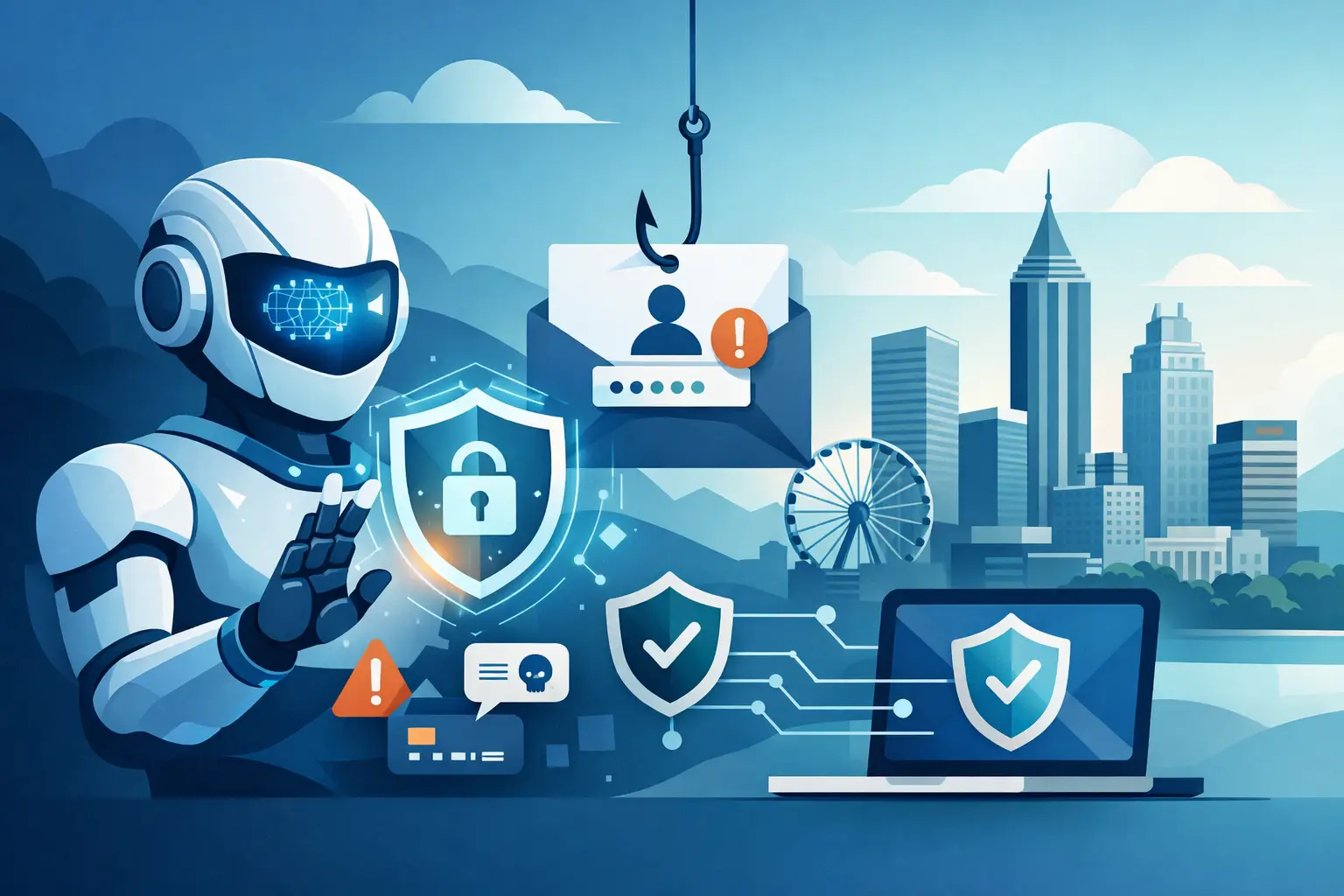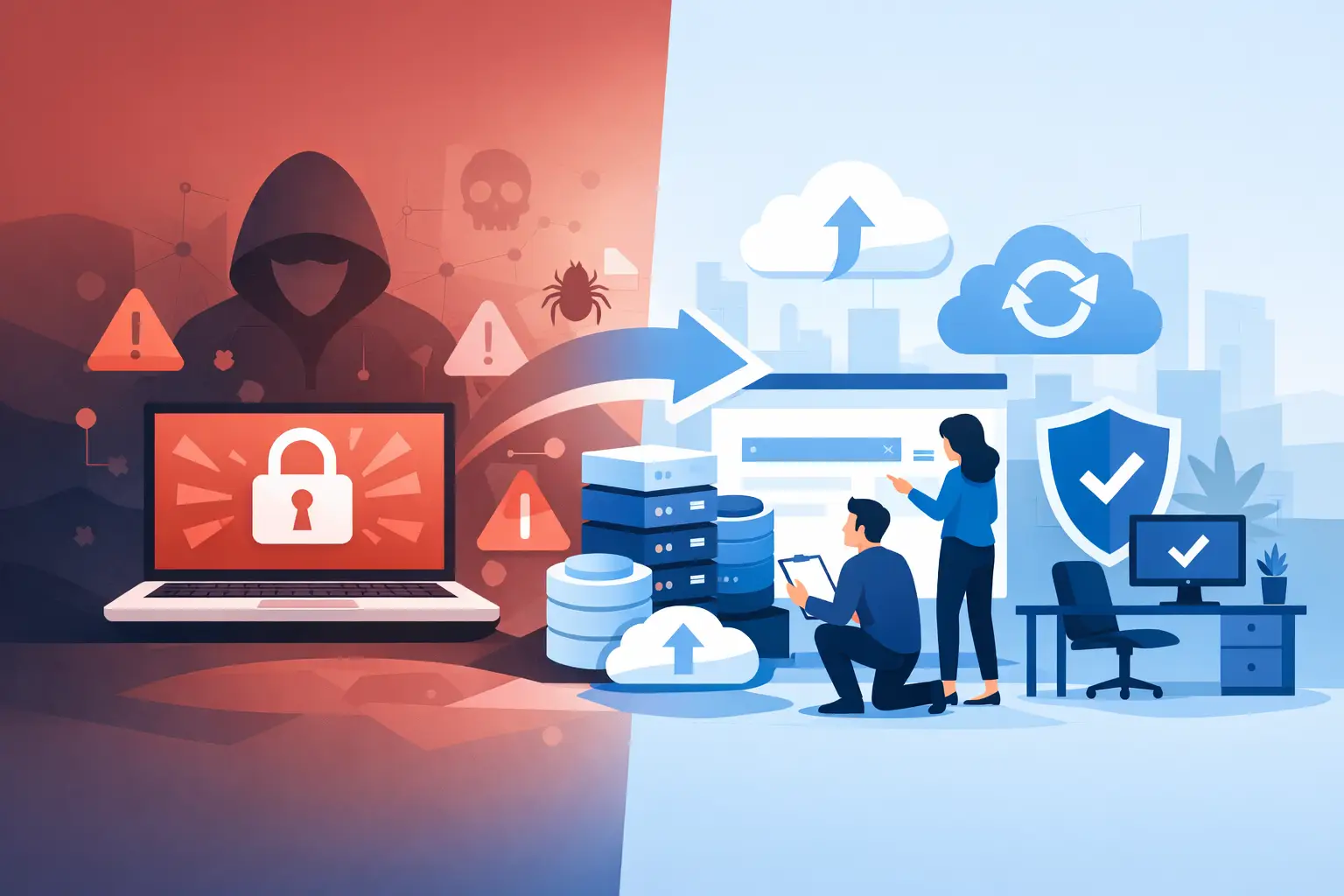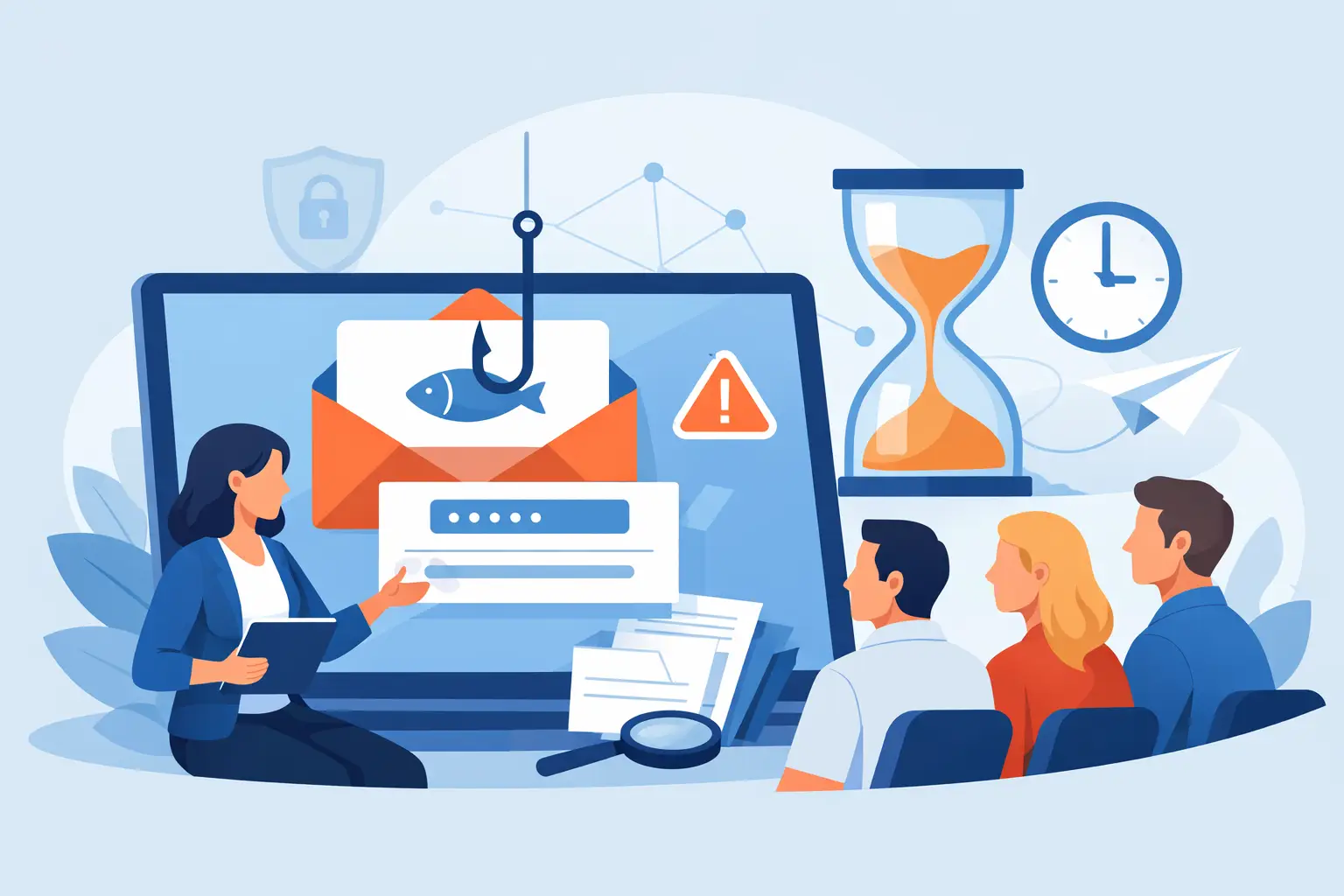

Every few months a business owner tells me they’re “not really a target” for hackers because they’re too small, too boring, or too local to matter. I get it. Nobody pictures a bored 19-year-old in another country caring about a 12-person accounting firm in Marietta. But that 19-year-old isn’t picking targets by hand. A script is. And scripts don’t care how boring you are.
Most breaches aren’t a movie-hacker in a hoodie typing furiously into a green terminal. They’re boring. Somebody clicked a link. Somebody reused the same password from their personal Netflix account on the company file server. Somebody’s account didn’t have multi-factor authentication turned on because it was “annoying.” That’s it. That’s the whole heist.
The security theater problem
A lot of what gets sold as “cybersecurity” is theater: a binder nobody reads, an annual training video everyone clicks through while making coffee, a checkbox for a compliance form. It makes people feel protected without actually closing the gaps that get businesses hacked. I’d rather tell you the unglamorous truth than sell you the impressive-sounding version.
The unglamorous truth is that the handful of things that actually stop most attacks are kind of boring:
- Multi-factor authentication on everything that touches email, banking, or your core systems
- Nobody reusing passwords across personal and work accounts
- Patches actually getting installed instead of “snoozed” for eight months, including the router sitting in the closet that nobody thinks about
- Someone who actually looks at the alerts your systems are already generating
None of that is exciting. None of it makes for a great vendor pitch deck. But it’s the difference between “we caught it in an hour” and “we found out from our customers, three weeks later, after it hit the news.”
What I’d actually ask
If someone in your company got a very convincing email from “the CEO” asking for a wire transfer today, would the person who received it know what to do? Not in theory. Right now, today. If you don’t know the answer, that’s not a reason to panic, it’s just the actual starting point for a real conversation, not a sales pitch dressed up as one.
That’s the kind of thing we walk through with clients before we talk about any tools or software: practical security built around how your business actually operates, not a binder that looks good in an audit and does nothing on a Tuesday afternoon.